
4 min read
In this guide
- What makes up a business water bill?
- Water consumption
- Standing and fixed charges
- Wastewater charges
- Surface-water and highway drainage
- Trade effluent
- Why can business water charges change?
- How to check a business water bill
- Ways to control business water costs
- Information to prepare for a water review
- Request a business water review
- Frequently asked questions
- Why is my business water bill estimated?
- Can an incorrect meter size affect charges?
- Does lower water use always reduce the whole bill?
- Sources and further reading
Business water charges can be difficult to compare because a bill may combine several different services and charging methods. Understanding what each line means helps a business identify estimated usage, incorrect site details and genuine opportunities to reduce costs.
This guide explains the main elements commonly found on UK business water bills and what to check before requesting a review.
What makes up a business water bill?
A business water bill can include charges for clean water, wastewater, drainage and retailer services. The precise structure depends on the site, regional wholesaler, meter arrangement and retailer.
Water consumption
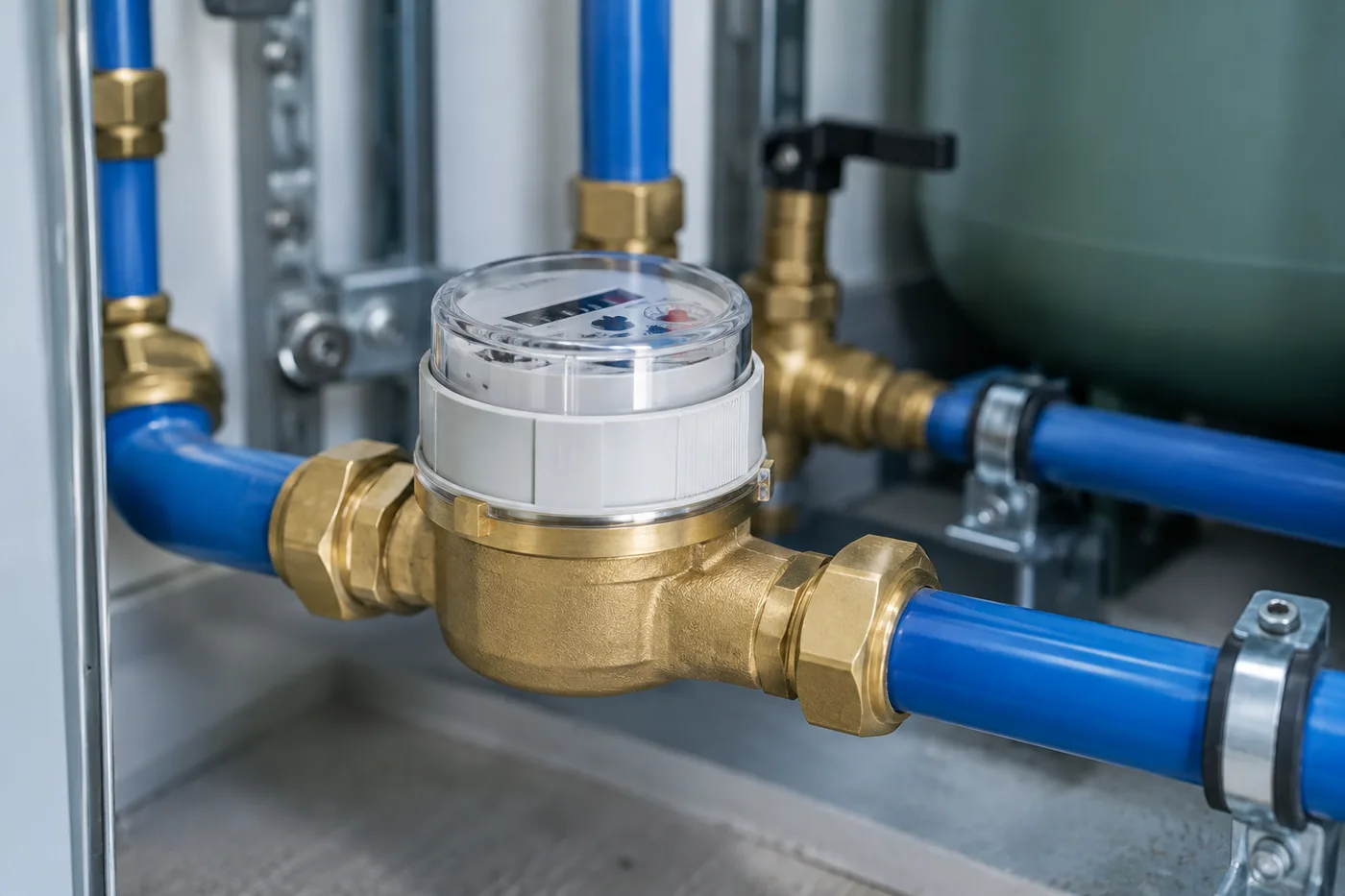
Metered premises are normally charged using the volume of water recorded by the meter. Check that the meter serial number matches the site and whether the readings are actual, customer supplied or estimated.
Standing and fixed charges
Fixed charges may apply regardless of consumption. They can relate to meter size, billing, infrastructure or retail services. A larger meter can carry a higher charge, so businesses should make sure the recorded meter details are correct.
Wastewater charges
Wastewater charges are often calculated using water consumption, sometimes with an allowance for water that does not return to the sewer. Businesses using water in products, irrigation or processes may need to examine whether their billing accurately reflects the site.
Surface-water and highway drainage
Surface-water drainage covers rainwater entering public sewers from roofs, yards and other hard surfaces. Charges may be based on property value, site area or another regional method. If rainwater drains elsewhere, the business may be able to ask for the site classification to be reviewed.
Trade effluent
Businesses discharging anything other than ordinary domestic-type wastewater may require trade-effluent consent and separate charging. The amount can depend on volume, strength and treatment requirements.
Why can business water charges change?
- Actual consumption has increased
- Previous estimates have been corrected
- A leak or faulty fitting is increasing usage
- Wholesale or retail charges have changed
- The billing period is longer than usual
- Meter, drainage or site information is incorrect
- Business operations or occupancy have changed
Compare like-for-like periods and account for seasonal changes before deciding that the tariff alone is responsible.
How to check a business water bill
- Confirm the business name and supply address.
- Match the SPID and meter number to the premises.
- Check the billing dates and number of days charged.
- Compare opening and closing readings with the physical meter.
- Review consumption against earlier bills.
- Identify every fixed, drainage and wastewater charge.
- Record any unexplained estimates or adjustments.
Ways to control business water costs
Regular meter readings reduce reliance on estimates and can reveal unusual consumption sooner. Leak checks, efficient fittings, staff awareness and monitoring outside operating hours can all help. Multi-site organisations should keep a central list of sites, SPIDs, meters and contract details.
Switching retailer may improve price or service for eligible businesses, but a billing and consumption review can be valuable even when a switch is not appropriate.
Information to prepare for a water review
- A complete recent bill for every site
- Recent actual meter readings
- Previous bills covering a comparable period
- Current contract and renewal information
- Details of leaks, disputes or operational changes
- A site list for multi-location businesses
Request a business water review
All Business Service Solutions can help UK organisations review their bills, site information and available options. Visit our business water service or request a free business water review.
Frequently asked questions
Why is my business water bill estimated?
A retailer may use an estimate when it does not have a recent valid meter reading. Submit an accurate reading and check the next bill for the resulting adjustment.
Can an incorrect meter size affect charges?
Yes. Some fixed charges depend on recorded meter size, so the account and physical meter should match.
Does lower water use always reduce the whole bill?
Not necessarily. Consumption-based charges may fall, but fixed, drainage or other site charges can remain.
Sources and further reading
Related service: Explore our business water services to see how ABSS can help your business.

