
Business VoIP vs Traditional Phone Systems: What Should UK Businesses Choose?
For most UK businesses, hosted VoIP offers more flexibility than a traditional fixed-line telephone system. Calls are delivered through an internet connection, which can make it easier to support remote workers, add users, manage multiple sites and control day-to-day communications from one system.
However, the right choice depends on your premises, broadband connection, number of users and how your team works. This guide explains the main differences and what to consider before changing your business phone system.
What is a traditional business phone system?
A traditional business phone system uses fixed telephone lines and on-site equipment to make and receive calls. Older systems may depend on physical lines, a local switchboard or dedicated hardware installed at the premises.
These systems can still feel familiar and may suit a business with a simple office-based setup. The disadvantages are that changes often require physical work, extra lines or additional equipment. Supporting remote workers and multiple locations can also be less straightforward.
What is business VoIP?
VoIP stands for Voice over Internet Protocol. Instead of relying on a conventional telephone line, calls are carried through an internet connection. A hosted VoIP service is managed in the cloud, reducing the need for a traditional on-site telephone system.
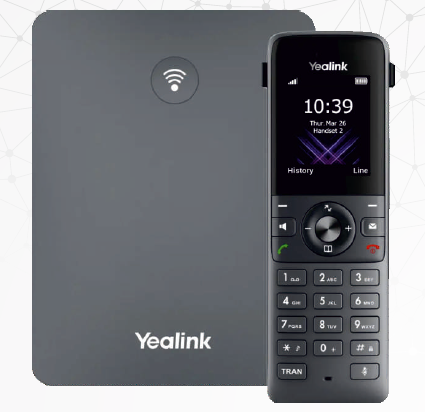
Staff can usually make and receive business calls using compatible desk phones, cordless handsets, computers or mobile applications. This allows the same business number and communication features to be used in and out of the office, subject to connectivity and the selected package.
Business VoIP vs traditional phone systems
| Feature | Hosted VoIP | Traditional system |
|---|---|---|
| Call delivery | Internet connection | Fixed telephone lines |
| Remote working | Usually supported through desktop and mobile apps | Often requires additional arrangements |
| Adding users | Usually easier to scale | May require new lines or hardware |
| Multiple sites | Can connect teams through one managed system | Separate systems may be required |
| On-site equipment | Generally less equipment required | May require a physical telephone system |
| Internet dependency | Requires reliable connectivity | Less dependent on the business broadband connection |
What are the benefits of hosted VoIP for businesses?
More flexible working
Employees can remain connected when working from home, travelling or moving between business locations. Calls can be managed through approved applications as well as compatible handsets.
Easier growth
A growing business can normally add users without installing a completely new telephone system. This can be useful for seasonal teams, expanding companies and organisations operating from multiple premises.
Professional call management
Depending on the package, features can include call routing, voicemail, hunt groups, call transfer, auto-attendant menus and reporting. These tools can help customers reach the right person more quickly.
One system across multiple locations
A hosted service can bring separate offices, branches and remote workers into the same communication system. Staff can transfer calls and use consistent business numbers without being located in one building.
Reduced reliance on ageing equipment
Because the main service is hosted, businesses may need less on-site telephone equipment. Maintenance, changes and upgrades can therefore be easier to manage.

What should a business check before switching to VoIP?
- Broadband quality: VoIP needs a reliable connection with suitable speed and stability.
- Number of users: Count the people, handsets and locations that need access.
- Call requirements: Identify features such as call recording, queues, menus or out-of-hours routing.
- Existing contract: Check the remaining term, notice period and any early termination charges.
- Number transfer: Confirm whether existing business telephone numbers can be retained.
- Backup arrangements: Ask how calls will be handled during an internet or power interruption.
- Installation and training: Make sure staff understand how to use the new handsets and applications.
Is VoIP suitable for every UK business?
VoIP can work well for offices, retailers, professional services, hospitality businesses, healthcare providers, schools, warehouses and multi-site organisations. It is particularly useful when staff need to communicate from different locations.
It may not be the right solution where internet connectivity is unreliable or where specialist equipment depends on an older telephone line. A proper review should therefore consider broadband availability, alarm systems, payment terminals, lift lines and other services connected to the existing setup.
How ABSS helps businesses compare telecoms options
ABSS provides a free business telecoms review for UK businesses. We assess your current setup, number of users, broadband requirements, working locations and contract position before helping you explore suitable options.
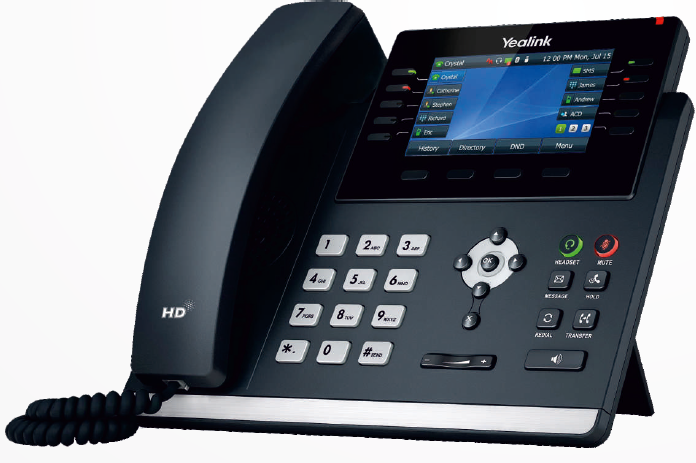
Available solutions can include hosted VoIP, desk and cordless handsets, mobile and computer applications, business broadband and multi-site communications. Eligible offers may also include support with an existing contract, subject to the selected package and provider terms.
ABSS remains your single point of contact and provides free account management throughout the process.
Request your free Business Telecom Review
Tell us about your current phone system, broadband and number of users. There is no obligation to proceed.
Frequently asked questions
Can we keep our existing business telephone number?
In many cases, existing numbers can be transferred to a new service. This must be checked before the current service is cancelled.
Does VoIP work on mobile phones and computers?
Many hosted systems provide mobile and desktop applications. Availability and features depend on the selected service.
How many handsets can a business have?
Hosted systems can usually support anything from a small team to a larger multi-site organisation. ABSS telecoms offers are generally designed for businesses requiring at least two handsets.
Can VoIP support remote workers?
Yes. Staff can normally use an approved mobile or desktop application to make and receive business calls when working away from the main premises.
Do we need new broadband?
Not always. The existing connection should be tested to confirm that it is suitable for the expected number of simultaneous calls and other business internet use.
For more information about available systems, visit our Business Telecommunications page or request a free Business Telecom Review.
